Gas Line Repair & Inspection in Springfield Gardens, Queens
Natural gas is an efficient, dependable fuel source for residential boilers, water heaters, and cooking appliances. However, because fuel gas operates under pressure and presents combustible and asphyxiation hazards, any maintenance, testing, or alteration of gas lines requires rigorous adherence to New York City building and plumbing codes. We deliver professional gas piping testing, leak isolation, appliance line hookups, and safety inspections across Springfield Gardens, Brookville, Laurelton, and adjacent Queens neighborhoods.
If your gas service line powers your central heating equipment, consult our primary boiler repair in Springfield Gardens guide to learn how gas manifold pressure directly affects burner ignition and combustion efficiency.
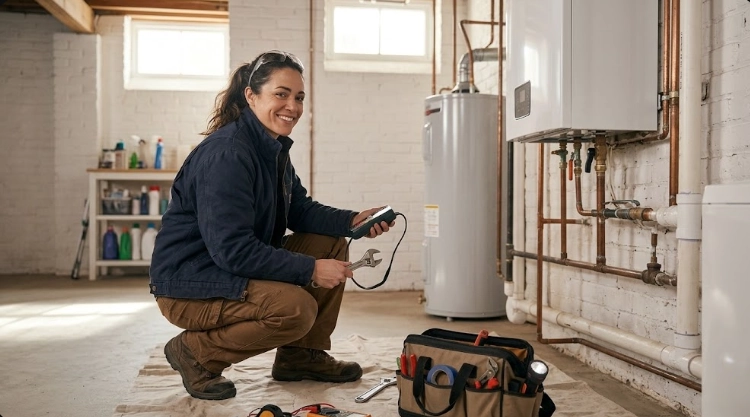
Code-Compliant Fuel Gas Services
Executing dependable gas line repair Springfield Gardens Queens requires certified pressure testing instruments and strict compliance with NYC DOB regulations.
Our licensed plumbing technicians inspect threaded black steel piping, verify emergency shutoff valve operation, and ensure gas-fired heating plants and water heaters operate within safe combustion limits.
If you are planning an equipment upgrade or heating modernization, review our boiler replacement options.
Precision Diagnostics, Pressure Testing & Appliance Connections
All fuel gas work must be carried out by or under the direct supervision of an NYC-licensed Master Plumber. Our comprehensive gas services include:
Gas Piping Inspection & Leak Testing
Our gas piping inspection Springfield Gardens Queens utilizes digital combustible gas detectors capable of sensing methane in parts-per-million concentrations. We test joints, unions, and appliance shutoffs to confirm complete airtight integrity.
Appliance Gas Line Installation for Stoves
When performing a gas line installation for stove Springfield Gardens Queens, technicians run code-approved rigid Schedule 40 black steel pipe with dedicated accessible brass ball valves and CSA-certified flexible stainless-steel connectors.
Corroded Piping Section Replacement
Basement moisture common in Southeast Queens can cause exterior rust pitting along exposed steel gas runs. We cleanly cut out compromised pipe sections, re-thread new black iron to standard NPT specs, and seal joints with gas-rated compound.
Gas Water Heater Supply Connections
We install sediment traps (dirt legs) and dedicated shutoffs for gas-fired hot water storage tanks. If your water heater pilot refuses to light or burner cycles erratically, see our water heater repair guide.
NYC Local Law 152 Periodic Gas Piping Inspections
New York City Local Law 152 of 2016 mandates periodic gas piping inspections for many buildings across the five boroughs:
Under current DOB regulations, buildings classified in occupancy group R-2 (such as multi-family apartment buildings and co-ops) must have exposed gas piping inspected by a licensed master plumber once every four years according to their Community District cycle. While one- and two-family detached residences (occupancy group R-3) are generally exempt from mandatory periodic LL152 filing cycles, all property owners remain legally obligated to maintain gas piping in safe, leak-free operating condition.
Need Gas Line Inspection or Appliance Hookups in Queens?
Speak directly with our technical team to schedule code-compliant gas line testing, stove connections, or piping repairs in Springfield Gardens.
Call (315) 202-8009 for Gas ServicesFrequently Asked Questions About Gas Line Repair
What should I do immediately if I smell gas inside my home?
Evacuate all people and pets from the building immediately. Do not flip light switches, operate electrical appliances, use landlines or cell phones inside the premises, or light any matches or open flames, as tiny electrical sparks can ignite concentrated gas vapors. Once safely outdoors and away from the building, call your gas utility (National Grid) or 911 immediately.
How does a professional gas pressure test locate small piping leaks?
The technician isolates the gas piping network from the utility meter and disconnects sensitive downstream appliance valves. The line is pressurized with air or inert nitrogen to a code-mandated test pressure (typically 3 to 5 PSI for low-pressure residential systems) and monitored on a calibrated diaphragm gauge or digital manometer for a specified duration. Any drop in pressure confirms a leak, which is pinpointed using electronic combustible gas sniffers and non-corrosive bubble solution.
Does NYC Local Law 152 apply to one- and two-family homes in Queens?
Generally, NYC Local Law 152 mandates periodic gas piping inspections every four years for buildings classified under occupancy group R-2 (such as apartment buildings and multi-family residential properties). Buildings in occupancy group R-3 (one- and two-family homes) are typically exempt from periodic LL152 filing requirements. However, all gas piping alterations, repairs, and appliance additions in every home must still be performed under appropriate NYC DOB permits and Master Plumber oversight.
To review our neighborhood service coverage across Southeast Queens, visit our service areas guide or call to contact our team.
Safe, Code-Compliant Gas Piping for Queens Residences
Contact NY Plumbing today at (315) 202-8009 to schedule gas line inspection, testing, and professional repair in Springfield Gardens.
Call (315) 202-8009